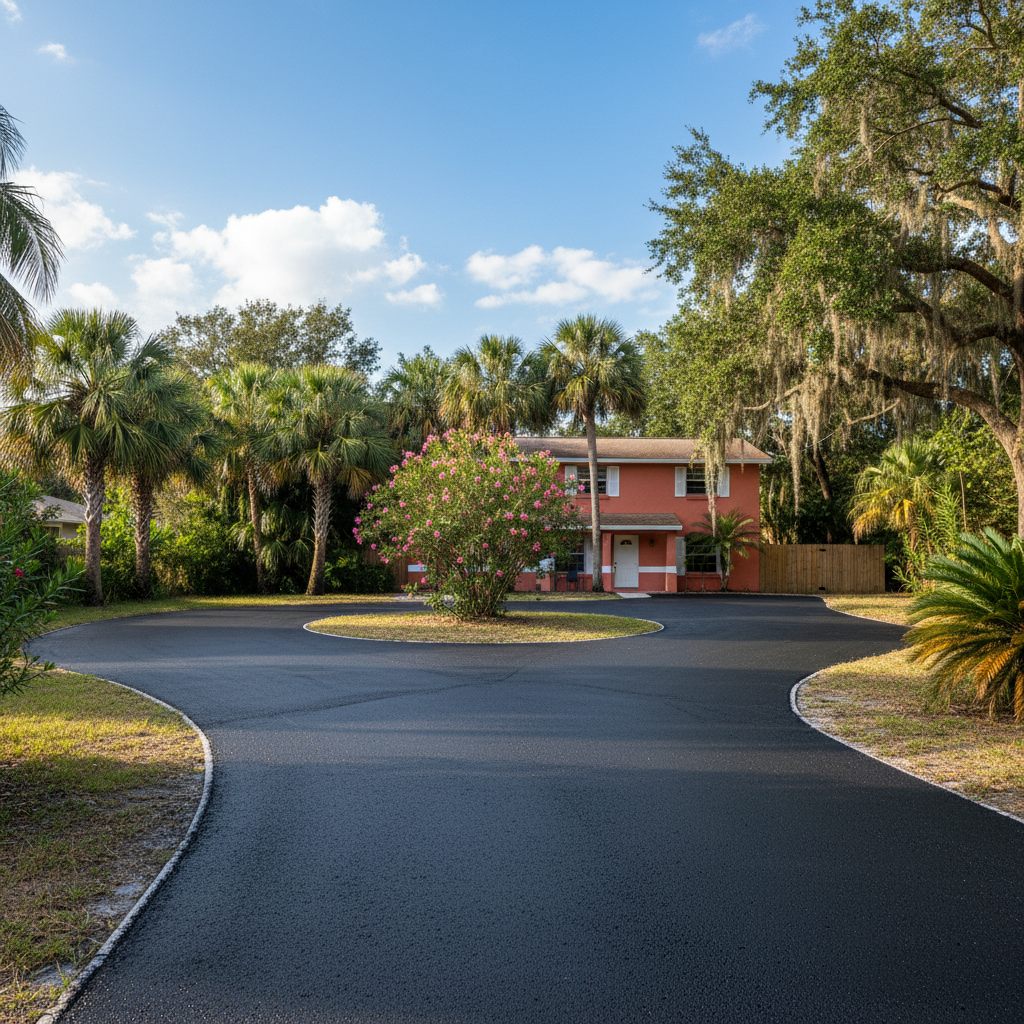
You've got a good asphalt driveway, maybe it's been a few years, and you're thinking about that slurry coat to keep it looking sharp and protected. Good call. It's one of the best ways to extend your asphalt's life, especially with the kind of weather we get down here in St. James City. But here's the thing: timing isn't just a suggestion when it comes to slurry coating; it's everything.
You can't just slap a slurry coat down whenever you feel like it and expect it to last. Our Florida climate, with its intense sun, sudden downpours, and humidity, plays a huge role in how well that material cures and performs. Get it wrong, and you've wasted your money and your time.
When's the Best Time for Slurry Coating in St. James City?
Honestly, there's a sweet spot, and it's usually not in the middle of summer. I know, I know, everyone wants their driveway looking perfect before the snowbirds arrive, but sometimes you gotta be patient. The ideal conditions for slurry coating are when it's warm, but not scorching hot, and dry. We're talking daytime temperatures consistently above 50°F (and ideally above 65°F) and nighttime temps staying above freezing. Here in St. James City, that usually means late fall, winter, and early spring.
- Late Fall (October-November): This is often prime time. The summer rains have usually tapered off, the humidity drops a bit, and the daytime temperatures are just right – warm enough for the material to cure properly but not so hot that it dries too fast and cracks.
- Winter (December-February): Surprisingly, our winters can be excellent for this work. We get those beautiful, clear, dry days. The only thing we watch out for are those rare cold snaps where overnight temperatures might dip too low. If it's going to be below 50°F overnight, we'll probably reschedule.
- Early Spring (March-April): Another good window, before the real heat and humidity of summer kick in, and before the daily afternoon thunderstorms become a regular thing.
What we're trying to avoid is the peak of summer. That intense sun bakes the surface too quickly, leading to premature cracking. Plus, the daily afternoon thunderstorms can wash away uncured material or trap moisture underneath, causing adhesion problems. It's just not worth the risk.
Weather Conditions That Affect the Job
When we're planning a slurry coating project, we're not just looking at the calendar; we're glued to the weather forecast. Here's what we're watching for:
- Temperature: As I said, consistent warmth is key. Too cold, and the material won't cure. Too hot, and it dries too fast, which leads to weak spots and a shorter lifespan for your coat.
- Rain: This is a big one. Slurry coat needs a good 24-48 hours, sometimes even longer, of dry weather to cure completely. Even a light drizzle too soon after application can ruin the finish or wash away the material. We won't start a job if there's a significant chance of rain within that critical window.
- Humidity: High humidity, which we get plenty of here, slows down the curing process. It's not a deal-breaker like rain, but it means we need to factor in longer drying times.
- Wind: A little breeze is fine, helps with drying. Too much wind can cause the material to dry unevenly or even blow debris onto the wet surface.
So, if you call Top Notch Asphalt Solutions and we suggest a specific time, it's not because we're trying to be difficult. It's because we know what works best for our local conditions and we want your investment to last.
Protecting Your Slurry Coat Year-Round
Once that slurry coat is down and cured, you've done a great job protecting your asphalt. Now, how do you keep it that way?
- Give it Time to Cure: This is crucial. We'll tell you exactly how long to stay off it, but typically it's 24-48 hours for foot traffic and 48-72 hours for vehicle traffic. Don't rush it! Driving on it too soon will leave tire marks and damage the fresh surface.
- Keep it Clean: Sweep off dirt, sand, and debris regularly. Those tiny particles can act like sandpaper under tires, wearing down your coat. Especially after a storm, get that stuff off there.
- Address Spills Quickly: Oil, gas, and other chemicals are asphalt killers. If you have a spill, clean it up immediately with an absorbent material. Don't let it sit.
- Trim Overhanging Branches: Leaves and organic matter sitting on your driveway can hold moisture, encouraging moss or mildew growth, and can stain the surface.
- Mind Your Parking: Try not to turn your steering wheel while your vehicle is stationary on a hot day. This 'power steering scuffing' can twist and damage the fresh surface.
- Regular Inspections: Just take a look at your driveway every now and then. Catching small cracks or issues early means they're easier and cheaper to fix.
Slurry coating is a fantastic way to maintain your asphalt, but it's not a set-it-and-forget-it deal. By understanding our unique St. James City climate and taking a few simple steps, you can make sure your driveway looks great and lasts for years to come. If you've got questions about your specific driveway, just give us a call.