What exactly is asphalt sealcoating, and why do I need it?
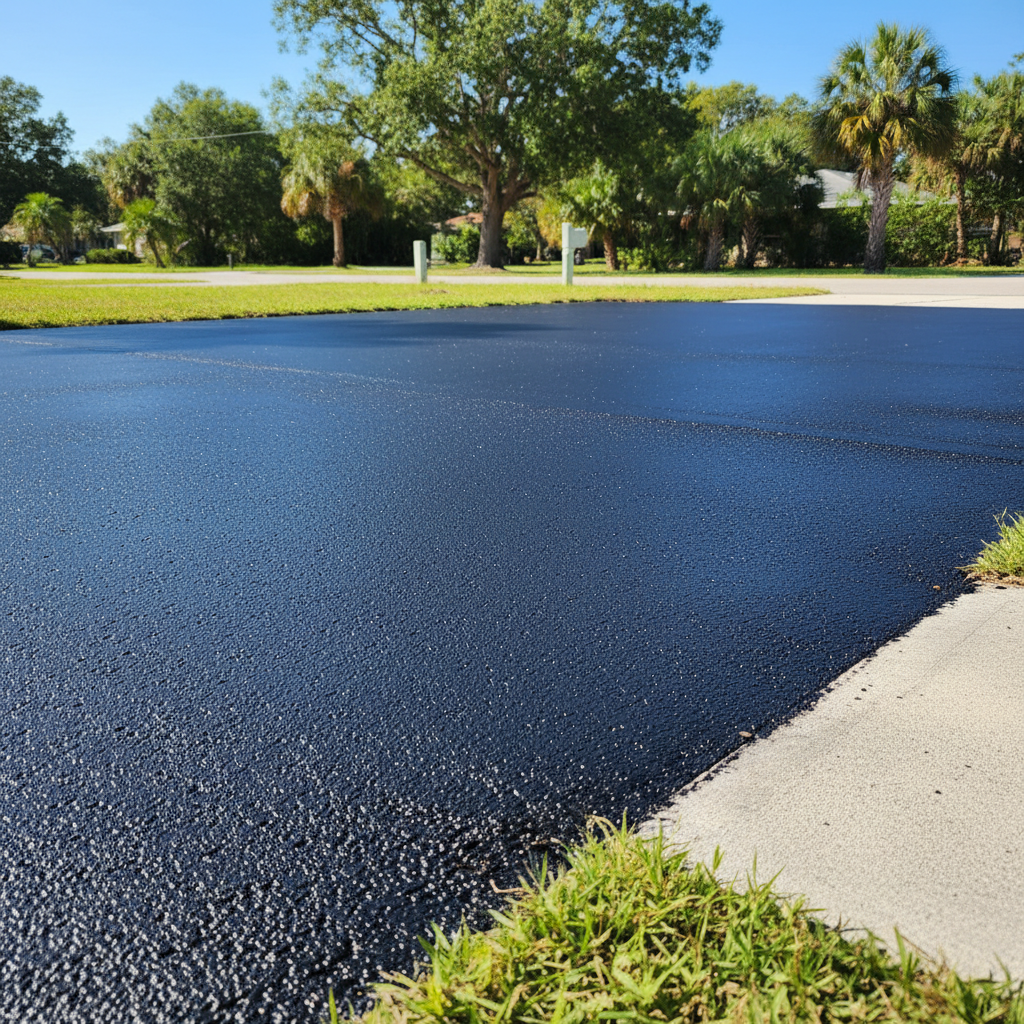
Alright, let's get straight to it. Sealcoating is basically a protective layer we put over your asphalt driveway. Think of it like sunscreen for your pavement, or a clear coat on your car's paint. It's a liquid material, usually an asphalt emulsion or refined coal tar, that we apply in one or two thin coats.
Why do you need it? Well, your asphalt is constantly battling the elements here in St. James City. We've got that brutal Florida sun beating down, which oxidizes the asphalt binder and makes it brittle. Then there's the rain, the salt air, oil drips from cars, gasoline spills, and even just regular wear and tear from tires. All these things break down your asphalt, making it fade, crack, and crumble over time. Sealcoating puts a barrier between your driveway and all that abuse. It fills in small surface voids, restores that rich black color, and most importantly, extends the life of your driveway by protecting it from UV rays, water penetration, and chemical spills. It's a preventative measure, pure and simple.
How often should I sealcoat my driveway?
This is one of the most common questions I get, and the answer isn't a one-size-fits-all. Generally speaking, for most residential driveways around here, you're looking at needing a sealcoat every two to three years. That's a good sweet spot.
Now, there are a few things that can shift that timeline. If your driveway gets a lot of heavy traffic, or if it's constantly exposed to direct, intense sunlight with no shade, you might lean closer to that two-year mark. If it's a newer driveway, sometimes we'll wait a little longer for the first application – usually 6-12 months after it's been laid, just to let it cure properly. Also, the quality of the previous sealcoat matters. A good, properly applied sealcoat will last longer than a shoddy one. We always recommend sticking with a reputable company like Top Notch Asphalt Solutions to make sure you're getting a quality job that'll stand up to our unique St. James City weather.
What's the best time of year to get sealcoating done in Southwest Florida?
Timing is pretty crucial for sealcoating, especially down here. You need warm, dry weather for the material to cure properly. That means avoiding the rainy season as much as possible.
Typically, the best windows for us are late fall, winter, and early spring. From about October through May, we usually have more consistent dry days and temperatures that are ideal – generally above 50°F (10°C) and rising. Trying to sealcoat in the middle of summer, say July or August, is just asking for trouble. You've got daily afternoon downpours, high humidity, and scorching temperatures that can mess with the curing process. The sealcoat might not adhere right, or it could wash away before it's fully dry. We always keep a close eye on the forecast, especially for those pop-up storms that roll in off the Gulf.
How long does it take for the sealcoat to dry, and when can I drive on it?
This is where patience comes in, and it's important not to rush it. After we apply the sealcoat, it needs time to dry and cure properly. For foot traffic, you can usually walk on it within 4-8 hours, depending on the temperature, humidity, and how much sun it's getting. If it's a cooler, more humid day, it'll take longer.
But for driving your car on it? You need to wait a full 24 to 48 hours. Seriously, don't try to drive on it sooner. If you do, you risk leaving tire marks, scuffing the fresh sealcoat, or even pulling it up in spots. It's just not worth it. We'll put up barricades or tape to remind you, but it's really on you to give it that necessary time. Imagine getting a fresh coat of paint on your car and then driving it through mud before it's dry – same idea. Give it the time it needs, and it'll serve you well.
Will sealcoating fix existing cracks or potholes in my driveway?
No, not really. This is a common misconception, and it's important to understand. Sealcoating is a surface treatment, a protective layer. It's not a structural repair material.
Think of it like this: if you have a crack in your wall, painting over it won't fix the crack, right? It'll just cover it up temporarily, and the crack will eventually reappear, often worse than before. The same goes for your asphalt. Before we even think about sealcoating, any significant cracks, potholes, or damaged areas need to be repaired properly. We'll clean them out, fill them with appropriate asphalt repair materials, and let those set. Once the structural issues are addressed, then the sealcoat can do its job of protecting the *entire* surface, including the newly repaired areas. Trying to sealcoat over major damage is just a waste of money because the underlying problems will quickly show through and compromise the sealcoat itself. We'll always inspect your driveway first and give you an honest assessment of what needs fixing before we even talk about sealcoating.
Is sealcoating really worth the cost?
Absolutely, it is. I wouldn't be doing it if I didn't believe in it. Look, your asphalt driveway is a significant investment in your property. Neglecting it means you'll be looking at much more expensive repairs or even a full replacement down the road, and that's a cost you definitely want to avoid.
Sealcoating is a relatively inexpensive preventative maintenance step. For a fraction of the cost of an overlay or a complete tear-out and rebuild, you're protecting that investment. It extends the life of your asphalt by years, sometimes even doubling it. Plus, it makes your driveway look sharp, boosts your home's curb appeal, and frankly, it just feels good to have a well-maintained property. When you compare the cost of regular sealcoating to the cost of letting your driveway deteriorate and then having to shell out thousands for major work, it's a no-brainer. It's like changing the oil in your car – you do it to prevent bigger, more expensive problems later on. It just makes good financial sense for any homeowner in St. James City.