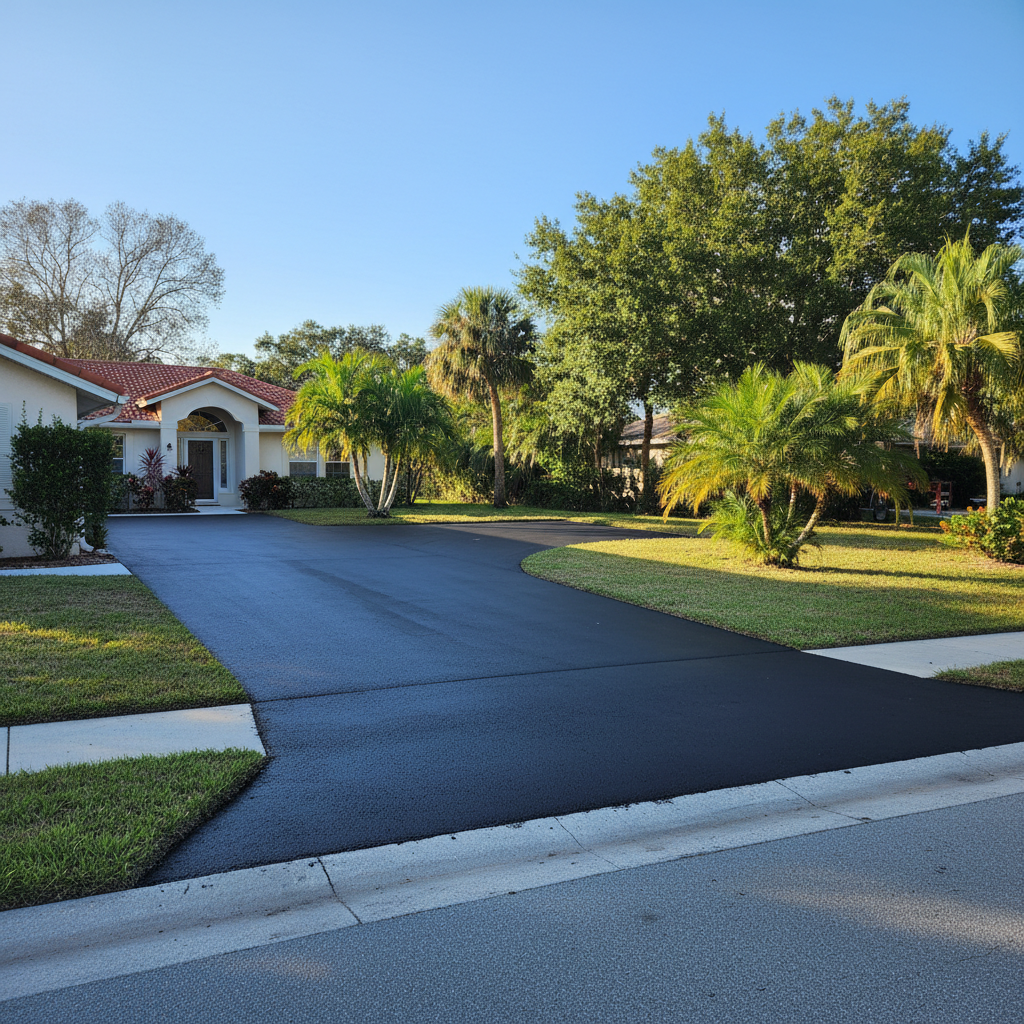
Alright, let's talk about asphalt milling. It's a smart process for fixing up old pavement without a full tear-out, especially here in St. James City where we're always battling the sun and salty air. But I've seen homeowners trip up on a few things when they're planning or hiring for a milling project. You don't want to be one of them. Here’s what you need to know to avoid regret.
Mistake #1: Not Understanding What Milling Actually Is (and Isn't)
A lot of folks hear 'milling' and think it's just a fancy word for resurfacing. It's not. Milling is when we use a specialized machine to grind off the top layer of existing asphalt. We're removing the damaged stuff – cracks, potholes, uneven spots – to create a fresh, stable base for a new layer of asphalt. It's not a patch job, and it's not a full replacement. It's a precise removal process. If a contractor talks about 'milling' but then suggests just throwing a thin layer of asphalt over your existing, badly cracked surface, they're either misinformed or trying to cut corners. You're paying for a proper foundation, so make sure that's what you're getting.
Mistake #2: Skipping the Sub-Base Inspection
This is a big one, especially with our sandy, sometimes soft soil around here. You can mill off the top layer perfectly, but if the sub-base underneath is shot – full of soft spots, drainage issues, or just not compacted right – your new asphalt isn't going to last. It'll crack, sink, and fail prematurely. A good contractor, like us at Top Notch Asphalt Solutions, will always assess the sub-base condition. They'll look for signs of failure, maybe even do some test digging if needed. If a contractor just gives you a quote for milling and paving without even mentioning the sub-base, that's a red flag. You need to know what's going on beneath the surface, or you're just putting a band-aid on a broken leg.
Mistake #3: Going with the Lowest Bid Without Due Diligence
I get it, everyone wants a good deal. But when it comes to asphalt work, the cheapest bid often ends up being the most expensive in the long run. I've seen it too many times. Low-ball contractors might:
- Use inferior materials that won't stand up to our Florida heat and humidity.
- Cut corners on preparation, like not properly cleaning the milled surface or neglecting sub-base repairs.
- Have inexperienced crews who make mistakes that lead to premature failure.
- Not carry proper insurance, leaving you liable if something goes wrong on your property.
Always ask for references. Check their reviews online. Make sure they're licensed and insured. Ask about their process, their materials, and their warranty. A reputable contractor won't mind these questions; they'll appreciate that you're doing your homework.
Mistake #4: Not Clarifying the Scope of Work (Especially Edges and Transitions)
You'd be surprised how often this causes headaches. You assume they'll mill right up to your garage door or seamlessly transition to your concrete walkway, but if it's not explicitly in the contract, it might not happen the way you expect. Discuss:
- How they'll handle edges – will they be clean and straight?
- What about transitions to other surfaces like concrete driveways or sidewalks?
- Will they mill around existing drainage structures or utility covers?
- What's the plan for clearing debris and cleaning up the site afterward?
Get everything in writing. A detailed proposal protects both you and the contractor. Don't leave anything to assumption.
Mistake #5: Ignoring Drainage Implications
St. James City gets rain. A lot of it. And when we mill and pave, we're changing the surface elevation. If your contractor isn't thinking about drainage, you could end up with standing water, which is terrible for asphalt and can lead to all sorts of problems. A good milling plan considers existing drainage patterns and ensures that the new surface will shed water effectively. They should be looking at slopes, catch basins, and how water flows off your property. If they don't bring it up, you should. Don't let your new asphalt turn into a bird bath.
Milling is a great solution for extending the life of your pavement. Just make sure you're working with someone who knows what they're doing and isn't cutting corners. Ask the right questions, understand the process, and you'll end up with a durable, good-looking surface that lasts.