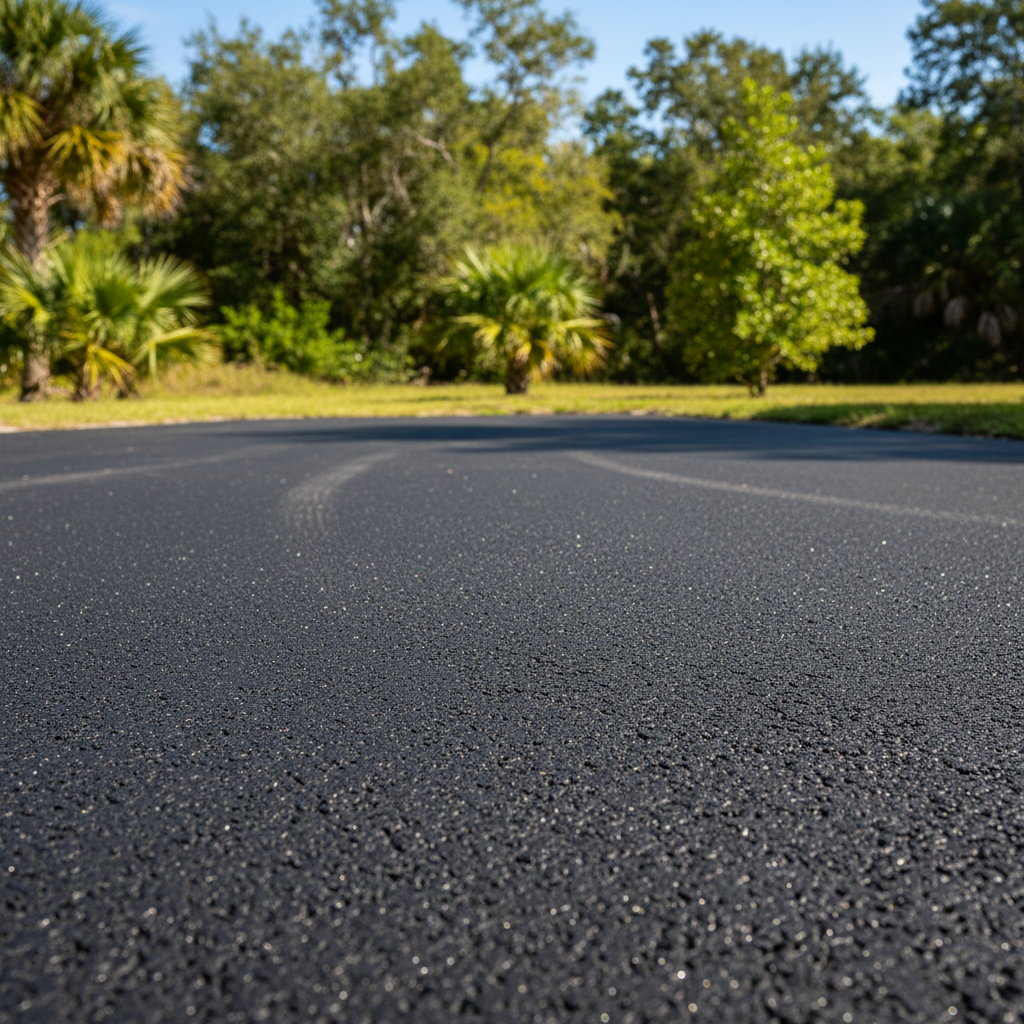
Thinking about adding a parking spot at your place? Maybe a dedicated space for the boat trailer, or an extra pad for when guests visit? Smart move. A well-paved area really makes a difference, not just for convenience but for your property value too. But before you grab a shovel or pick up the phone for a crew, let's chat about what's actually involved in parking lot paving for a homeowner right here in St. James City.
Before You Start: Planning and Permits
First things first, you can't just dig a hole and pour asphalt. There's some real planning involved. You'll need to figure out the size and shape of your parking area. And think about drainage – this is huge down here. We get some serious rain, especially during hurricane season, and you definitely don't want water pooling up against your house or in your brand-new parking spot. Proper grading is absolutely essential. You'll also need to decide on the material. For homeowners, asphalt is usually the top choice because it's tough, affordable, and pretty easy to keep up.
Now, about those permits. This is where a lot of folks stumble. Depending on how big or complex your project is, you might need a permit from Lee County. Don't, I repeat, don't skip this step. Trust me, it's way easier to get the permit upfront than to deal with fines or, even worse, having to tear out work later because you didn't follow the rules. A quick call to the county's building department can save you a world of headaches. They'll fill you in on setbacks, impervious surface limits, and any other local regulations you need to know – especially if your property is near the water, like so many of the canal-front homes here.
During the Project: DIY vs. Pro
Okay, so you've got your plan and your permits. Now for the actual work. What can you realistically tackle yourself?
- Clearing and Marking: You can absolutely clear the area of any plants, junk, or old concrete. Mark out the boundaries of your new parking area with stakes and string. This is good, honest work you can definitely handle.
- Basic Excavation (Maybe): If it's a small, shallow area and you're just taking out some topsoil, you might be able to do some light digging with a shovel or a rented mini-excavator. But be careful. If you're going deep or wrestling with roots, you're better off letting someone with heavier equipment take over.
- Base Preparation (Limited): This is where things get tricky. A good parking lot needs a solid, stable base. Usually, that means laying down and compacting several inches of crushed aggregate. You can spread the aggregate yourself, but getting it perfectly level and compacted to the right density is tough without the right machinery. A vibrating plate compactor is a must, and even with one, achieving a professional-grade base is hard.
Here's the real deal: for anything more than a small, simple gravel pad, you're probably going to need a pro. Laying asphalt isn't a DIY job for homeowners. It requires specialized equipment like pavers, rollers, and a crew that knows how to work with hot asphalt quickly and efficiently. If the base isn't right, or the asphalt isn't laid properly, you'll end up with cracks, potholes, and drainage issues in no time flat. That's just a waste of money and effort, isn't it? We've seen it happen. For a quality, long-lasting parking area, you'll want to bring in a company like Top Notch Asphalt Solutions. We've got the equipment and the experience to get it done right.
After the Paving: Care and Maintenance
So, the asphalt is down, it's cooled, and your new parking area looks fantastic. What's next? You're not quite finished. Proper care will make it last significantly longer.
- Curing Time: Don't drive on it right away. Your contractor will tell you how long to wait, but typically it's a few days. Asphalt needs time to cure and harden properly.
- Drainage Checks: After the first few good rainfalls, go out and check the drainage. Are there any spots where water is pooling? If so, make a note and chat with your contractor. Sometimes minor adjustments can still be made.
- Keep it Clean: Sweep off dirt, leaves, and debris regularly. This stops organic matter from breaking down and seeping into the asphalt, which can cause it to wear out.
- Watch for Cracks: Small cracks will show up over time. It's just part of living in Florida with our intense sun and heavy rains. Deal with them quickly. Crack sealing is a relatively easy and inexpensive way to prevent small cracks from becoming big problems. If you let water get into those cracks and under the asphalt, it'll undermine the base, and then you've got real trouble.
- Sealcoating: This is your asphalt's best friend for longevity. Sealcoating every few years protects the asphalt from UV rays, water, and oil spills. It keeps it looking good and extends its life by years. Your contractor can advise you on the best timing for this.
Putting in a new parking area is a solid investment for your home. Just make sure you go into it with your eyes open, understand what you can handle yourself, and know when to call in the experts. It'll save you headaches and money in the long run.