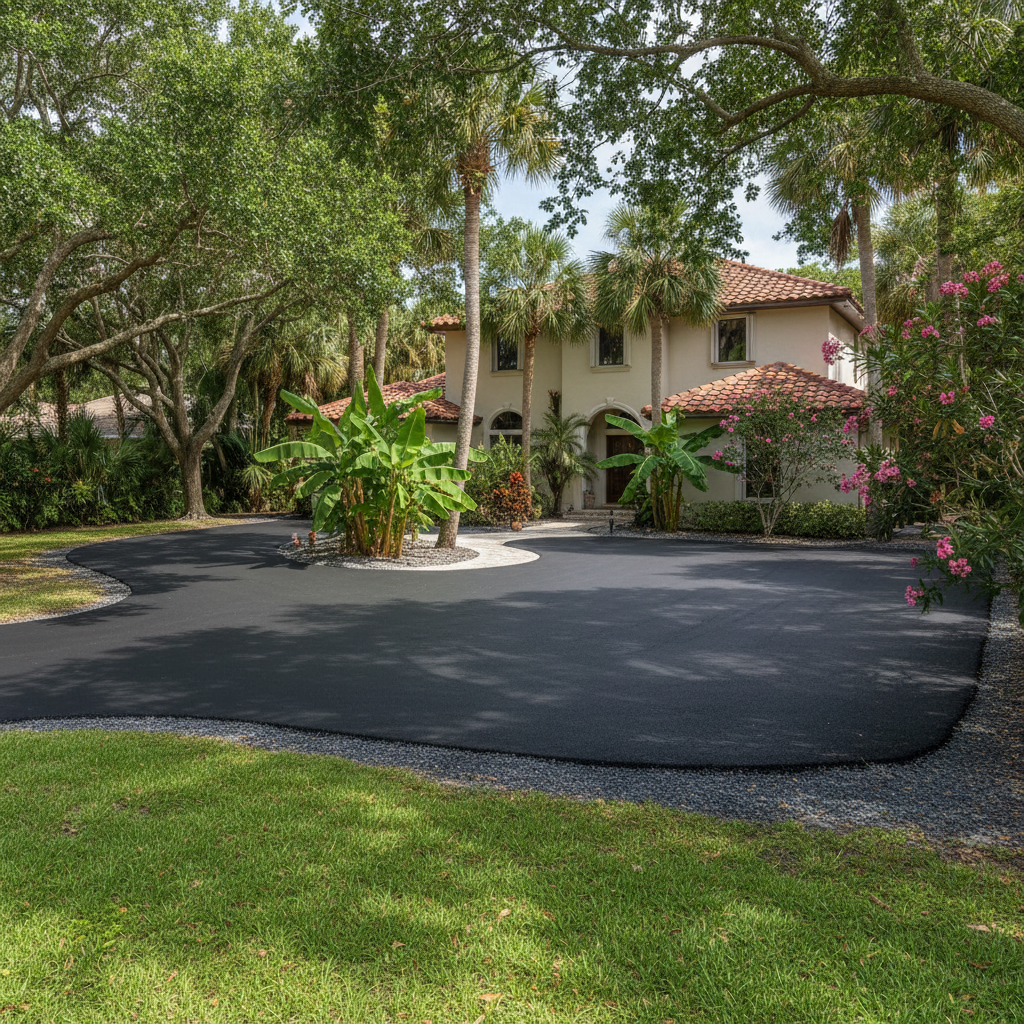
So, you're looking at putting in a new parking lot, an access road, or maybe a big commercial-style driveway on your property here in St. James City. It's a significant investment, and you want to get it right. I've seen plenty of these projects over the years, and I can tell you, good planning makes all the difference.
Setting Your Project Timeline
Let's talk about timing first. You can't just snap your fingers and have a new asphalt surface appear. From your first call to the final stripe, it's a process. Generally, you're looking at a few weeks to a few months, depending on the size and complexity.
- Initial Contact & Estimate: This is usually quick, maybe a week or two to get someone out, measure, and give you a quote. Good contractors are busy, especially during peak season.
- Permitting: This is often the biggest variable. In Lee County, depending on the scope and if you're touching any wetlands or drainage, permits can take anywhere from a few weeks to several months. Don't underestimate this. You absolutely need to factor this in, especially if you're near the water or have tricky drainage on your property, which is common around here.
- Scheduling: Once permits are in hand, you'll get on the contractor's schedule. This can be a few weeks out, especially if it's spring or fall when everyone wants work done.
- Construction: The actual paving itself is often the quickest part. A typical commercial parking lot might take a few days to a week, sometimes more for really large areas.
- Curing & Use: Fresh asphalt needs time to cure. You usually can't drive on it for 24-72 hours, and it takes a few months to fully harden. Plan for this downtime.
What to Expect During the Process
When the crew shows up, here's a general idea of what's going to happen:
- Site Preparation: This is crucial. We'll clear the area, remove any existing pavement, and excavate to the right depth. We're looking for a solid subgrade. If it's soft or mucky, common in some of our lower-lying areas, we might need to stabilize it with limerock or other materials.
- Base Layer Installation: We'll lay down a compacted aggregate base. This is the foundation, and it has to be solid and properly graded for drainage.
- Asphalt Paving: Hot asphalt mix is laid down in layers and compacted with heavy rollers. This is where the magic happens, but it's loud and busy.
- Finishing Touches: Once the asphalt cools, we'll do any necessary striping, install wheel stops, or bollards.
Expect noise, dust, and heavy equipment. It's a construction zone, so make sure anyone who needs access to your property knows about it and plans accordingly.
How to Prepare Your Property
You can help make things go smoother. Before we even break ground:
- Clear the Area: Move any vehicles, equipment, or materials out of the work zone. If there are plants or landscaping you want to save, remove them or protect them.
- Mark Utilities: Call 811 before any digging starts. It's the law, and it prevents hitting underground lines for water, sewer, power, or communication.
- Inform Neighbors: Give your neighbors a heads-up about the upcoming work, noise, and potential temporary access issues. It's just good practice.
- Plan for Access: Think about how people will access your building or property while the work is being done. Do you need temporary walkways or alternative parking?
Questions to Ask Before Signing a Contract
Don't just jump at the lowest bid. You're making a long-term investment. Ask these questions:
- What's included in the price? Get a detailed breakdown. Does it cover excavation, base material, asphalt layers (and their thickness), drainage, striping, and cleanup?
- What's the warranty? A good contractor stands behind their work. We at Top Notch Asphalt Solutions offer a solid warranty because we're confident in our quality.
- Can I see references or past projects? Look at their work. Talk to other property owners they've worked for, especially on commercial jobs.
- What's your plan for drainage? This is critical in Florida. Improper drainage leads to standing water, which destroys asphalt. Make sure they have a clear plan for water runoff.
- What's your timeline for completion, factoring in permits? Get a realistic timeframe.
- What kind of base material will you use, and how thick will it be? The base is everything. Don't skimp here.
- Are you licensed and insured? Absolutely essential. Ask for proof of both. You don't want liability falling back on you if something goes wrong.
- How do you handle unexpected issues? Sometimes you hit a surprise – an old pipe, bad soil. How will they communicate this and what's the process for change orders?
Taking the time to plan and ask the right questions upfront will save you a lot of headaches and money down the road. A well-built asphalt surface should last you for years, so let's make sure it's done right from the start.