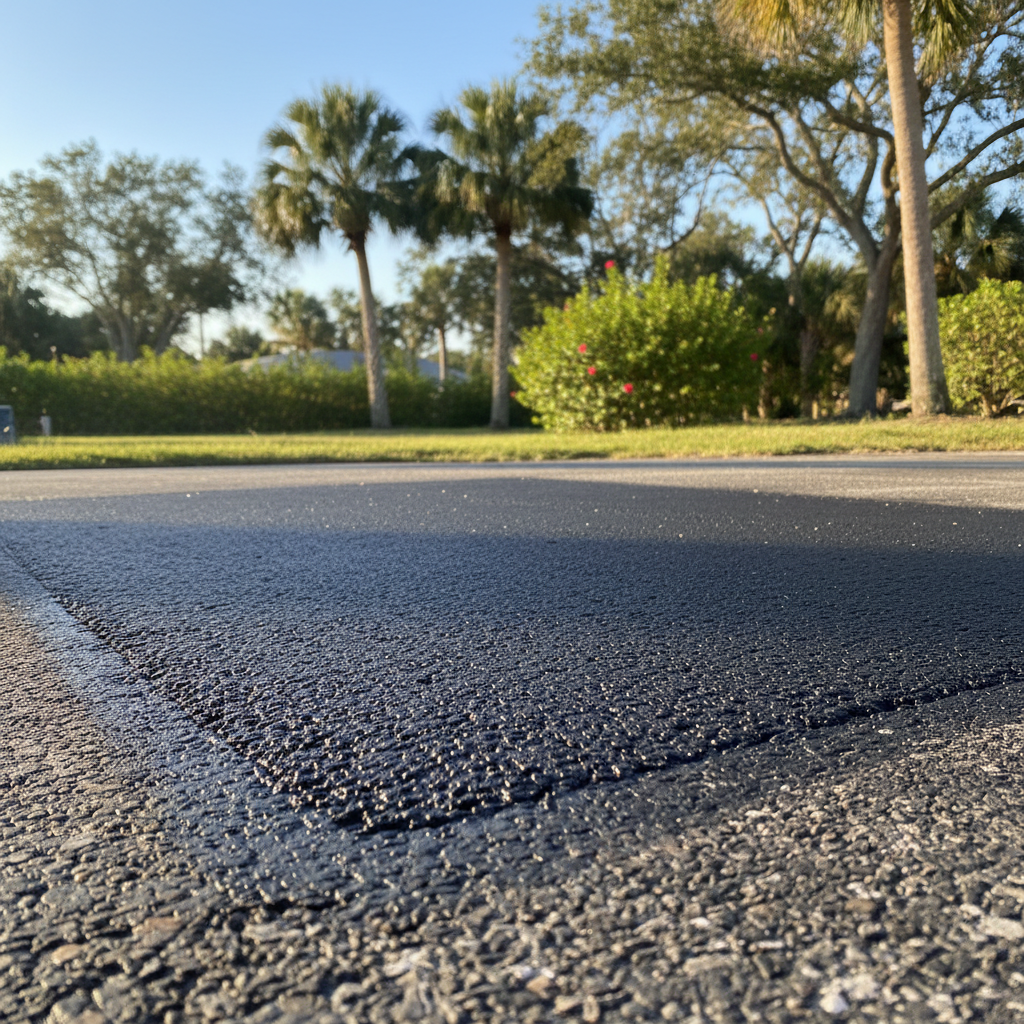
Your asphalt driveway or parking area really takes a beating, doesn't it? Especially down here in St. James City with our intense sun and sometimes heavy rains. Before you know it, you've got cracks and potholes popping up everywhere. I get a lot of questions about patching, and folks are often wondering if it's actually worth doing or just throwing money away. Let's clear some things up, shall we?
When should I patch my asphalt, and when is it too late?
This is probably the most common question I hear, honestly. Look, patching is really for isolated damage. We're talking about individual potholes, alligator cracking that's confined to a small area, or some significant cracks that haven't spread too far. If you've got a single pothole that's, say, a few feet across, we can definitely patch that up for you. But if your entire driveway looks like a spiderweb or a broken jigsaw puzzle, you're probably past the point where patching is going to be a long-term fix. At that point, you're looking at an overlay or even a full replacement. Think of it like this: a patch is a bandage. If the whole arm is broken, a little bandage isn't going to do much good, is it?
What's the difference between cold patch and hot patch? Which one should I use?
Okay, this is important. You'll see bags of 'cold patch' at the hardware store, right? That stuff is basically a temporary fix, period. It's asphalt mixed with solvents that keep it pliable at room temperature. You can shovel it in, tamp it down, and it'll fill a hole for a while. It's okay for a quick, emergency repair to prevent further damage or a trip hazard, especially if you're waiting for a professional to come out. But it's not designed to last. It doesn't bond well with the existing asphalt, and it tends to break down and pop out, especially with our intense sun and heavy vehicle traffic. Hot mix asphalt, which is what we use, gets heated to hundreds of degrees and applied hot. It's compacted properly and bonds chemically and physically with your existing pavement, creating a much stronger, more durable repair. If you want something that lasts, you need hot patch applied by pros. Don't waste your time or money on cold patch for anything other than a super temporary fix – seriously.
Will a patch look different than the rest of my driveway?
Yeah, it probably will. Anyone who tells you a patch will perfectly blend in is blowing smoke. When you lay new asphalt next to old, weathered asphalt, there's going to be a color difference. The new stuff is dark black, and your existing driveway has likely faded to a lighter gray over time. Also, the texture might be slightly different. We do our best to make it as seamless as possible, feathering the edges and compacting it well, but you'll usually see the outline of the repair. That's just the nature of the beast. If you want a uniform look after patching, your best bet is to get the entire surface sealcoated a few weeks or months after the patch has cured. That'll darken everything up and give it a more consistent appearance, which is nice.
How long does an asphalt patch last in our Florida climate?
A properly installed hot mix asphalt patch, done right by a company like Top Notch Asphalt Solutions, can last for years. We're talking 5-10 years, sometimes even longer, depending on the traffic it sees and how well the surrounding pavement holds up. But you've got to remember our climate. The intense UV rays here in Southwest Florida are brutal on asphalt, accelerating its oxidation and fading. Our heavy rains can also seep into unsealed cracks around the patch, undermining the base. And of course, the sandy soil we have around St. James City can sometimes shift, which can put stress on any pavement. That's why regular maintenance, like sealcoating and addressing new cracks quickly, is key to getting the most life out of your patches and your entire driveway.
Can you patch over existing cracks, or do you have to cut them out?
It depends on the type and severity of the crack. For minor, isolated cracks, we might clean them out and fill them with a crack sealant. That's different from patching, mind you. If you have wider, deeper cracks or areas of alligator cracking, we usually need to cut out the damaged section. Just patching over a network of cracks without removing the compromised material underneath is like putting a band-aid on a gash that needs stitches. The underlying problem is still there, and the patch will likely fail prematurely. We'll saw-cut around the damaged area, remove the old asphalt, prepare the base, and then lay down fresh hot mix. That ensures a solid, long-lasting repair.
What causes potholes and cracks in the first place?
Lots of things, but it usually comes down to water and traffic. Here's the rundown:
- Water Infiltration: This is probably the biggest culprit. When water gets into small cracks, it seeps down to the base layer. If that base gets saturated and then freezes (not often here, thankfully, but it can happen way up north) or just softens, it loses its support for the asphalt above.
- Heavy Loads: Repeated heavy vehicles, like delivery trucks or RVs, can stress the asphalt beyond its capacity, especially if the base isn't strong enough.
- Sun Damage: Our Florida sun bakes the oils out of the asphalt, making it brittle and less flexible. This leads to cracking.
- Poor Drainage: If water sits on your driveway instead of draining away, it has more time to penetrate any weak spots.
- Original Construction: Sometimes, the initial paving job wasn't done right. A weak base or insufficient asphalt thickness will lead to problems sooner rather than later.
Understanding the cause helps us recommend the best repair, and sometimes, suggest drainage improvements to prevent future issues.
Is patching a DIY job, or should I call a professional?
Honestly, for anything beyond a tiny, temporary fix with cold patch, you should call a professional. I've seen countless DIY patching attempts that just don't hold up. People don't have the right equipment for cutting, cleaning, heating, or compacting the asphalt properly. Hot mix asphalt isn't something you just spread with a shovel and hope for the best. It requires specific temperatures, proper compaction with heavy rollers or vibratory plates, and a good understanding of base preparation. If it's not done right, you'll end up with a patch that cracks out, sinks, or just looks terrible, and then you'll have to pay someone like us to fix the fix. Save yourself the headache and the double expense; get it done right the first time.