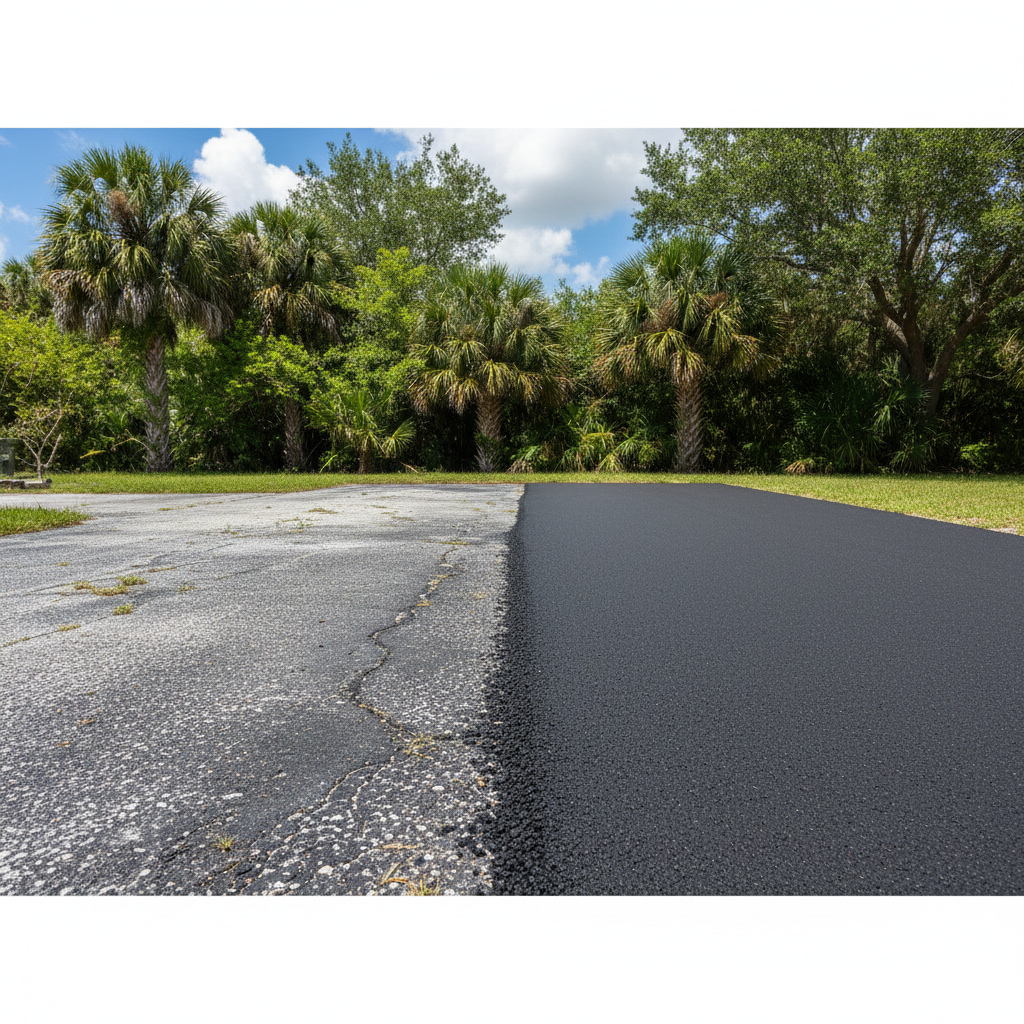
Got a cracked or crumbling asphalt surface on your property? It's a common sight, especially with our Florida sun and heavy rains. When it comes to fixing it, you're usually looking at two big choices: an asphalt overlay or a full asphalt replacement. Let's talk straight about what each means for you.
Asphalt Overlay: The Quick Fix?
An overlay, sometimes called 'resurfacing,' is basically putting a new layer of asphalt right on top of your existing one. Think of it like a fresh coat of paint, but for your driveway. We'll clean up the old surface, fill any major cracks or potholes, and then lay down a fresh layer of hot asphalt, usually about 1.5 to 2 inches thick.
Pros of an Overlay:
- Cost: It's generally cheaper than a full replacement. You're using less material and there's less demolition involved, so labor costs are lower too.
- Time: It's a faster process. We can usually get an overlay done quicker, meaning less disruption for your home or business.
- Appearance: A new layer of asphalt looks great. It covers up all those old cracks and gives your property a fresh, clean look.
Cons of an Overlay:
- Durability: This is the big one. An overlay is only as good as the foundation it's laid on. If your existing asphalt has deep structural issues – like alligator cracking from a bad base – those problems will eventually show through the new layer. It's called 'reflective cracking,' and it's a real pain.
- Limited Lifespan: You'll get some good years out of it, maybe 7-10, but it won't last as long as a properly done full replacement.
- Drainage Issues: Adding a new layer raises the surface. If your current drainage is already tight around garage doors or sidewalks, an overlay could make water pool where it shouldn't. We've seen this happen a lot in low-lying areas around St. James City where every inch matters for water runoff.
Full Asphalt Replacement: The Long-Term Solution
A full replacement means we tear out all the old asphalt, dig down, and often address the underlying base material. Then, we build a brand new asphalt surface from the ground up.
Pros of a Full Replacement:
- Durability: This is where it shines. You get a completely new, strong foundation. If we find issues with the sub-base – like soft spots from our sandy, sometimes swampy soil – we can fix those before laying anything down. This means a much longer-lasting surface, often 15-20 years or more with proper maintenance.
- Structural Integrity: You're getting a fresh start. No reflective cracking from old problems.
- Drainage Control: We can regrade the area if needed to ensure proper water flow, which is crucial down here.
- Value: While more expensive upfront, the extended lifespan and lack of recurring issues often make it a better value over the long haul.
Cons of a Full Replacement:
- Cost: It's definitely more expensive upfront. More demolition, more material, more labor.
- Time & Disruption: It takes longer to complete. There's more heavy equipment, more noise, and your driveway or parking area will be out of commission for a longer period.
So, Which One Should You Choose?
Here's my honest take. If your asphalt surface has only minor surface cracks, fading, or shallow potholes, and the underlying base feels solid, an overlay can be a cost-effective way to get a few more good years out of it. It's a good option if you're on a tighter budget or just need a cosmetic refresh.
However, if you've got deep, widespread cracking, potholes that keep coming back, areas that are sinking, or visible signs of base failure – like that 'alligator' pattern that looks like reptile skin – then an overlay is just putting a band-aid on a broken leg. Those problems will come back, and you'll end up paying twice. In those cases, a full replacement is almost always the smarter investment. It addresses the root cause, not just the symptoms.
At Top Notch Asphalt Solutions, we always come out and take a good look. We'll give you an honest assessment of what we think is going on underneath and what option will truly serve you best in the long run. We don't believe in selling you something that won't last, especially with our unique Florida conditions that can be tough on pavement.
What to Look For:
- Alligator Cracking: If you see a pattern of interconnected cracks resembling an alligator's hide, that's a strong sign of base failure. Go for replacement.
- Potholes: Occasional, shallow potholes can be patched before an overlay. Deep, recurring ones usually mean a base issue.
- Standing Water: If water pools on your asphalt after a rain, an overlay might make it worse. A replacement allows for proper regrading.
- Age: If your asphalt is already 15-20 years old and showing significant wear, a full replacement is likely due.
Don't guess. Have a professional come out and give you the real story. It'll save you money and headaches in the long run.